Publish cutting-edge research and contribute to advancing knowledge in any discipline.
The Academic Journal of European University of Bangladesh (AJEUB) is a open access by biannual, peer-reviewed academic journal dedicated to the dissemination of original, high-quality research across diverse disciplines. The journal provides a scholarly platform for researchers, academicians, and professionals to publish rigorous research that advances knowledge and addresses contemporary academic and societal challenges.
Moredevelopment in today’s knowledge-based economy. IPR gives creators and inventors legal protection through exclusive rights, allowing them to control how their work is used. Moral rights protect their personal connection and reputation, while economic rights let them earn from their creations. Monopoly rights provide temporary exclusivity, motivating people to innovate and invest in new ideas. In Bangladesh, there are laws like the Copyright Act, Patent Act, Design Act, and Trademark Act, but in reality, enforcing these laws is still a challenge. Problems such as lack of awareness, weak administration, limited resources, and outdated rules often make it hard for creators to fully protect their work. This sometimes leads to plagiarism, piracy, and misuse of intellectual property. Despite these challenges, Bangladesh has a lot of potential. Digital registration systems, awareness programs, specialized IPR courts, and including IPR education in universities can help strengthen the system. Proper implementation of IPR will protect creators, encourage innovation, attract investment, and support sustainable economic growth, turning intellectual property into a key driver of national progress and creativity.
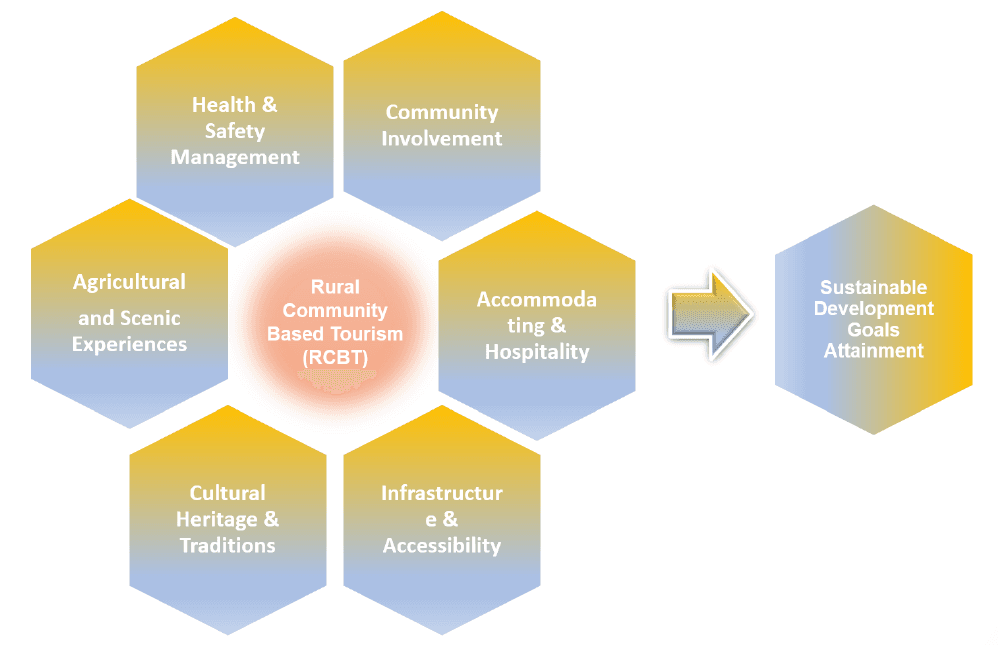
The aim of the research paper is to investigate the association between the Rural Community-Based Tourism (RCBT) exploration and sustainable Development Goals (SDGs) attainment. The rural community-based tourism has gained much attention in present conditions to meet the sustainable development goals in many countries. This descriptive research demonstrated the contribution of rural community-based tourism for developing and implementing strategies and policies to promote SDGs and also sought the forces, opportunities and challenges for achieving SDGs associated with rural community-based tourism in Bangladesh. There are many historical heritage sites with a diverse range of cultures, traditions, and natural resources in Bangladesh. The proposed model could be used in many studies that analyze different variables of rural community-based tourism that influence in promoting sustainable development goals. The results of the study demonstrated that many activities like poverty, hunger, good health & wellbeing, gender equality, clean water & sanitation, decent work, economic growth, sustainable cities & communities, responsible consumption & production, climate action, life below water, life on land can be integrated with rural community-based tourism to attain the SDGs in Bangladesh. The empirical model also identifies the components of rural community-based tourism that will be able to continue the progress in implementing the SDGs in the right way as well. The overall results will show the rural community-based tourism as a favorable tool that can contribute to promote sustainable development goals in Bangladesh.
In order to understand how International Humanitarian Law can be complied with and implemented, the Rohingya crisis provides a case study on how Myanmar violated its obligations under the Geneva Conventions, Customary IHL and the Genocide Convention; it was through Myanmar's military "clearance operations" in 2017 that the Rohingya suffered extreme violence, including mass killings, rape, and forced exile. Although Myanmar has signed relatively few treaties and has refused repeated requests by the International Court of Justice (ICJ) and the International Criminal Court (ICC) to collaborate, the UN Security Council has been unable to take action because of Myanmar's own geopolitical interests. The ICJ and ICC have made significant contributions to developing mechanisms for holding individuals accountable for violations of IHL through their jurisprudence, but enforcement of these mechanisms is made much harder by regional interests, such as those of China, India and Russia, and by ASEAN's policy of non-interference. As a result of Myanmar's actions, the lives of nearly one million Rohingya people currently living in refugee camps in Bangladesh continue to be at risk. The Rohingya do not want to go back to Myanmar until the humanitarian assistance they need is provided in adequate quantities. The author uses examples of Darfur, Rwanda, and Sierra Leone to demonstrate the broader problem of enforcing IHL and identifies the need for a coherent framework that will provide greater protection for humanitarian operations, improve regional cooperation, and strengthen mechanisms for legal accountability.
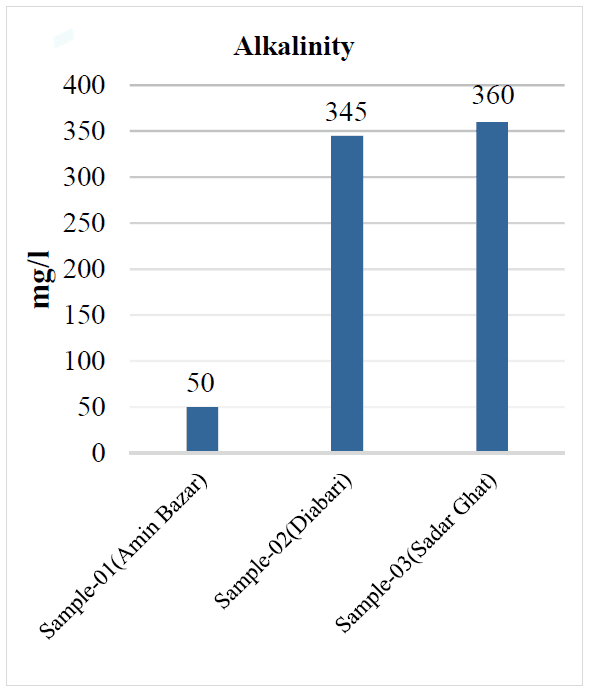
The Buriganga and Turag rivers are two of the major water bodies surrounding Dhaka City, the capital of Bangladesh. The rivers have been suffering from various hazardous discharges from various points and non-point sources such as industrial effluents, municipal and solid waste. The physicochemical water quality parameters are a major concern for these rivers. In this study, water quality parameters such as pH, turbidity, dissolved oxygen (DO), alkalinity, total solids (TS), total dissolved solids (TDS), total suspended solids (TSS) and chloride was compared with the standard permissible limits by conducting a series of laboratory tests. Samples collected from several points of the both rivers, Specifically, Amin Bazar, Diabari Ghat and Sadar Ghat were the location of this current study. It was observed from the findings that the Turbidity (16.99–38.7 NTU), TSS (20–100 mg/L) and chloride levels in the sample water exceeded recommended standards. The DO levels (3.0–3.7 mg/L) were considerably below the acceptable range according the standards. The overall findings showed substantial degradation of pH and TDS levels although their values were found within the permissible limits. There are a varied number of aquatic life communities on these water bodies who are heavily dependent on it and the findings indicate there are significant risks due to pollution. The study recommends the application of effluent treatment plants (ETPs) to enhance wastewater management to mitigate these issues. Furthermore, the potential of surface water from rivers and ponds as a practical replacement for groundwater warrants further investigation.
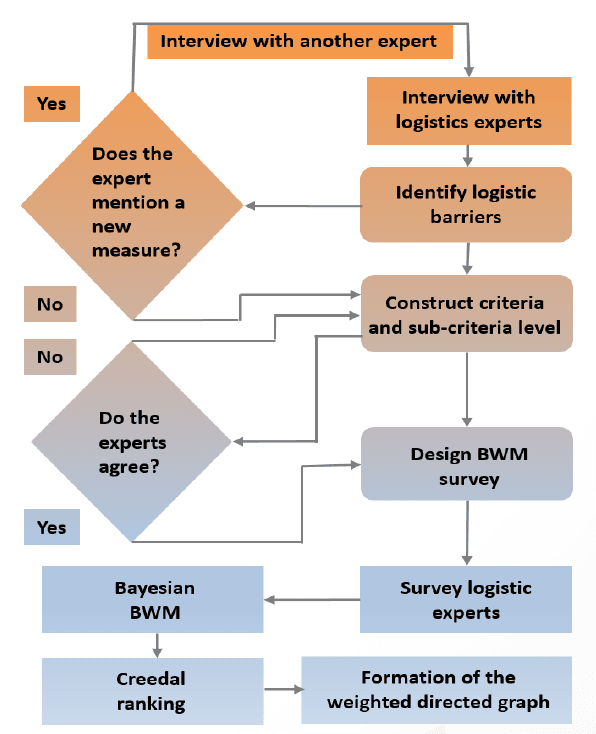
The concept of circular economy (CE) has emerged as a highly encouraging approach to achieve sustainable economic development for small and medium sized enterprises (SMEs). In recent years, the growing emphasis on circular economy, effective supply networks and strategic supply chain drivers has played a vital role in the development of sustainable SME systems. Modern manufacturing scenario (rapid, technology-driven transformation, Industry 5.0) and natural resources have shown huge challenges, particularly in the high cost of technology transformation, limitations of resources, skill manpower. The purpose of this study is to identify the barriers to sustainable manufacturing (SM) from SMEs in Bangladesh and rank them as per their priority. In this study, Bayesian Best-Worst Method (BWM) was applied to identify 12 major previously unexplored barriers, which were subsequently classified into four categories based on their shared characteristics. The results demonstrated several critical barriers within SME sector in Bangladesh, with the most significant being appropriate strategy plan (0.5374), inadequate transportations and infrastructure (0.3886), lack of skilled workforce (0.3146), lack of environmental concerns (0.2620), and the lack of government regulations (0.2539), respectively. Importantly, this study identified significant barriers that can be applied to improve the quality and sustainability of SMEs by reducing risks in the recommended areas.