All Articles
development in today’s knowledge-based economy. IPR gives creators and inventors legal protection through exclusive rights, allowing them to control how their work is used. Moral rights protect their personal connection and reputation, while economic rights let them earn from their creations. Monopoly rights provide temporary exclusivity, motivating people to innovate and invest in new ideas. In Bangladesh, there are laws like the Copyright Act, Patent Act, Design Act, and Trademark Act, but in reality, enforcing these laws is still a challenge. Problems such as lack of awareness, weak administration, limited resources, and outdated rules often make it hard for creators to fully protect their work. This sometimes leads to plagiarism, piracy, and misuse of intellectual property. Despite these challenges, Bangladesh has a lot of potential. Digital registration systems, awareness programs, specialized IPR courts, and including IPR education in universities can help strengthen the system. Proper implementation of IPR will protect creators, encourage innovation, attract investment, and support sustainable economic growth, turning intellectual property into a key driver of national progress and creativity.
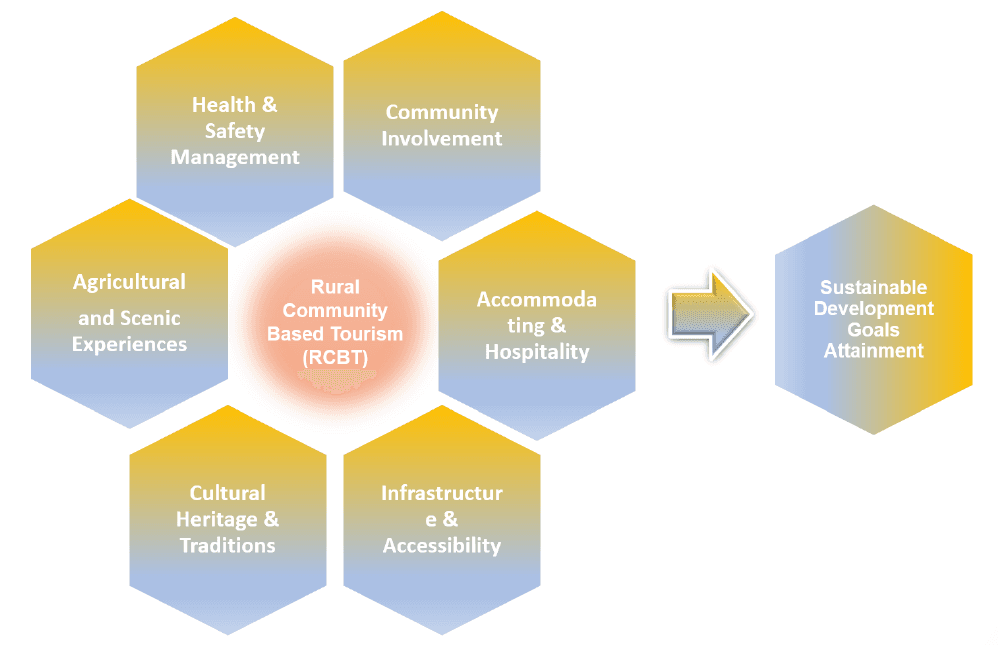
The aim of the research paper is to investigate the association between the Rural Community-Based Tourism (RCBT) exploration and sustainable Development Goals (SDGs) attainment. The rural community-based tourism has gained much attention in present conditions to meet the sustainable development goals in many countries. This descriptive research demonstrated the contribution of rural community-based tourism for developing and implementing strategies and policies to promote SDGs and also sought the forces, opportunities and challenges for achieving SDGs associated with rural community-based tourism in Bangladesh. There are many historical heritage sites with a diverse range of cultures, traditions, and natural resources in Bangladesh. The proposed model could be used in many studies that analyze different variables of rural community-based tourism that influence in promoting sustainable development goals. The results of the study demonstrated that many activities like poverty, hunger, good health & wellbeing, gender equality, clean water & sanitation, decent work, economic growth, sustainable cities & communities, responsible consumption & production, climate action, life below water, life on land can be integrated with rural community-based tourism to attain the SDGs in Bangladesh. The empirical model also identifies the components of rural community-based tourism that will be able to continue the progress in implementing the SDGs in the right way as well. The overall results will show the rural community-based tourism as a favorable tool that can contribute to promote sustainable development goals in Bangladesh.
In order to understand how International Humanitarian Law can be complied with and implemented, the Rohingya crisis provides a case study on how Myanmar violated its obligations under the Geneva Conventions, Customary IHL and the Genocide Convention; it was through Myanmar's military "clearance operations" in 2017 that the Rohingya suffered extreme violence, including mass killings, rape, and forced exile. Although Myanmar has signed relatively few treaties and has refused repeated requests by the International Court of Justice (ICJ) and the International Criminal Court (ICC) to collaborate, the UN Security Council has been unable to take action because of Myanmar's own geopolitical interests. The ICJ and ICC have made significant contributions to developing mechanisms for holding individuals accountable for violations of IHL through their jurisprudence, but enforcement of these mechanisms is made much harder by regional interests, such as those of China, India and Russia, and by ASEAN's policy of non-interference. As a result of Myanmar's actions, the lives of nearly one million Rohingya people currently living in refugee camps in Bangladesh continue to be at risk. The Rohingya do not want to go back to Myanmar until the humanitarian assistance they need is provided in adequate quantities. The author uses examples of Darfur, Rwanda, and Sierra Leone to demonstrate the broader problem of enforcing IHL and identifies the need for a coherent framework that will provide greater protection for humanitarian operations, improve regional cooperation, and strengthen mechanisms for legal accountability.
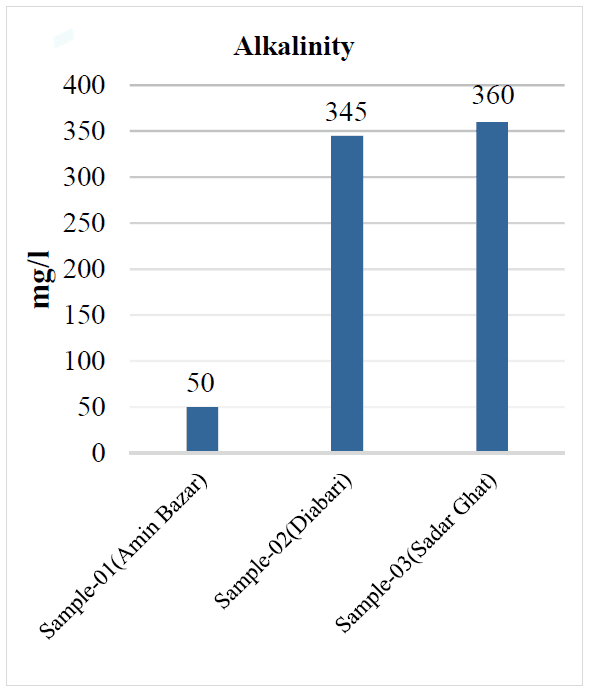
The Buriganga and Turag rivers are two of the major water bodies surrounding Dhaka City, the capital of Bangladesh. The rivers have been suffering from various hazardous discharges from various points and non-point sources such as industrial effluents, municipal and solid waste. The physicochemical water quality parameters are a major concern for these rivers. In this study, water quality parameters such as pH, turbidity, dissolved oxygen (DO), alkalinity, total solids (TS), total dissolved solids (TDS), total suspended solids (TSS) and chloride was compared with the standard permissible limits by conducting a series of laboratory tests. Samples collected from several points of the both rivers, Specifically, Amin Bazar, Diabari Ghat and Sadar Ghat were the location of this current study. It was observed from the findings that the Turbidity (16.99–38.7 NTU), TSS (20–100 mg/L) and chloride levels in the sample water exceeded recommended standards. The DO levels (3.0–3.7 mg/L) were considerably below the acceptable range according the standards. The overall findings showed substantial degradation of pH and TDS levels although their values were found within the permissible limits. There are a varied number of aquatic life communities on these water bodies who are heavily dependent on it and the findings indicate there are significant risks due to pollution. The study recommends the application of effluent treatment plants (ETPs) to enhance wastewater management to mitigate these issues. Furthermore, the potential of surface water from rivers and ponds as a practical replacement for groundwater warrants further investigation.
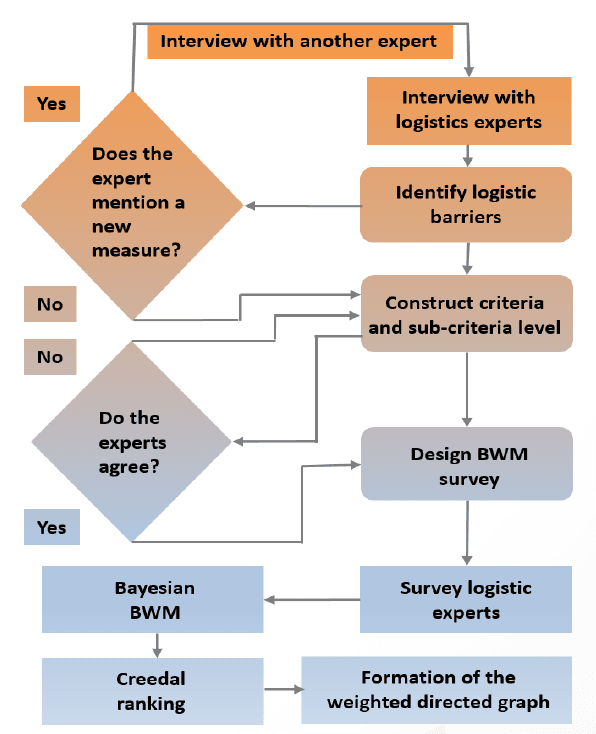
The concept of circular economy (CE) has emerged as a highly encouraging approach to achieve sustainable economic development for small and medium sized enterprises (SMEs). In recent years, the growing emphasis on circular economy, effective supply networks and strategic supply chain drivers has played a vital role in the development of sustainable SME systems. Modern manufacturing scenario (rapid, technology-driven transformation, Industry 5.0) and natural resources have shown huge challenges, particularly in the high cost of technology transformation, limitations of resources, skill manpower. The purpose of this study is to identify the barriers to sustainable manufacturing (SM) from SMEs in Bangladesh and rank them as per their priority. In this study, Bayesian Best-Worst Method (BWM) was applied to identify 12 major previously unexplored barriers, which were subsequently classified into four categories based on their shared characteristics. The results demonstrated several critical barriers within SME sector in Bangladesh, with the most significant being appropriate strategy plan (0.5374), inadequate transportations and infrastructure (0.3886), lack of skilled workforce (0.3146), lack of environmental concerns (0.2620), and the lack of government regulations (0.2539), respectively. Importantly, this study identified significant barriers that can be applied to improve the quality and sustainability of SMEs by reducing risks in the recommended areas.
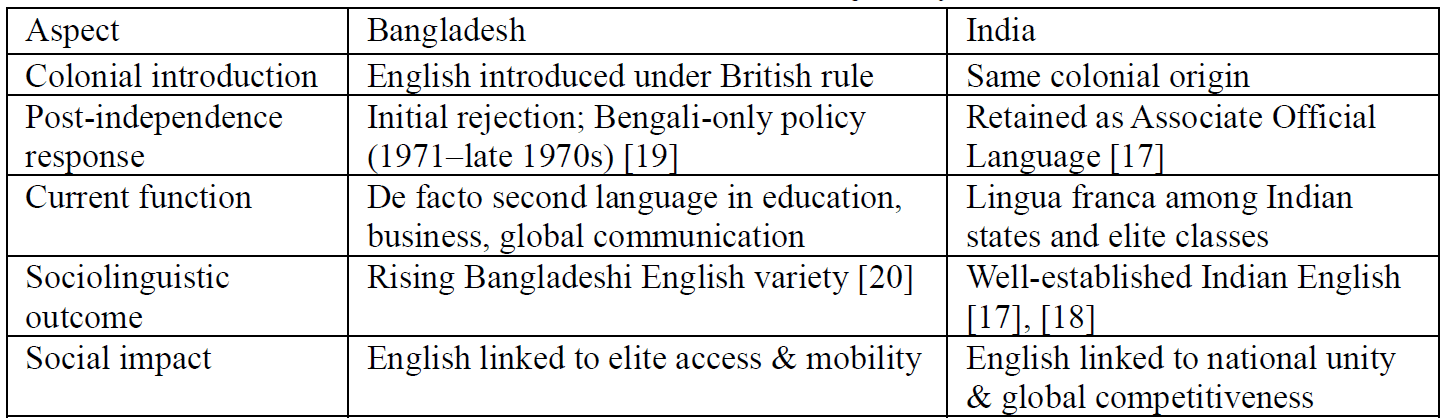
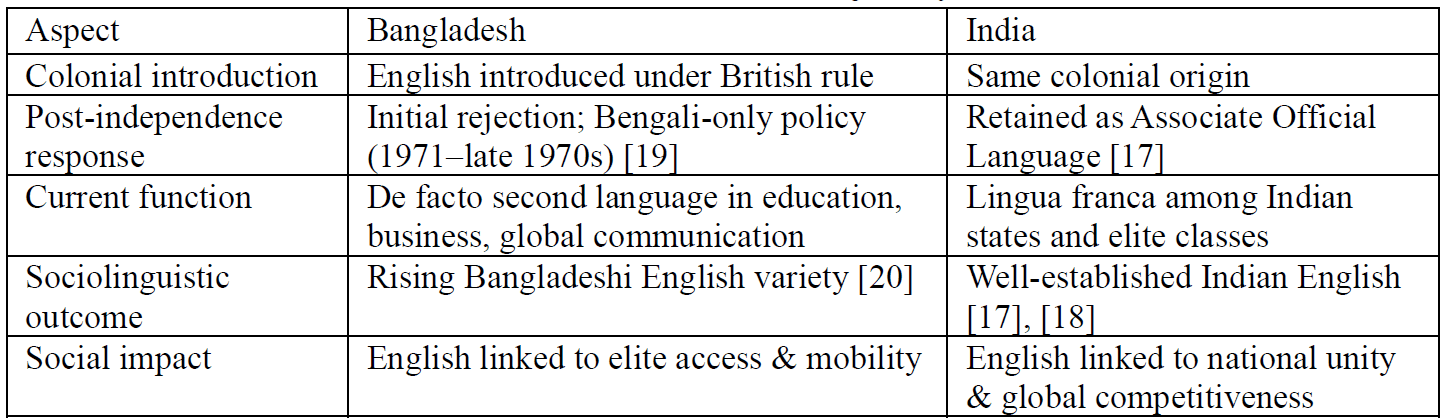
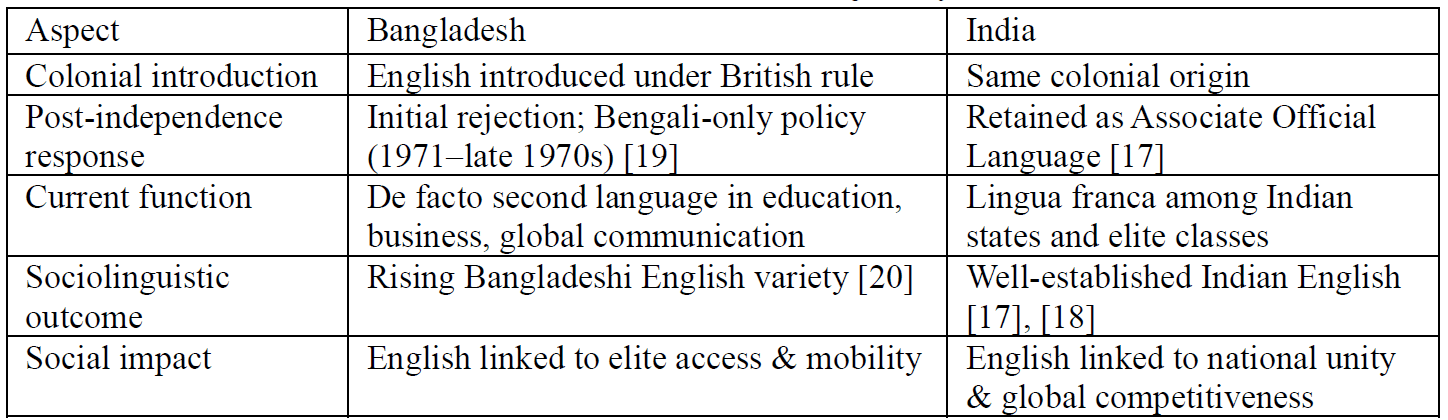
This paper examines transnational movement of English in Bangladesh and India. It contrasts history, rules of language and the way people use language nowadays. The study is based on existing scholarly articles, policy documents, and international reports. They adopted a qualitative, inductive approach in tracking how the English had been introduced by the British, and how its positioning has modified after independence. The findings indicate that India retained English as an official language alongside other languages. This assists India in managing numerous languages and ensures smooth running of government and universities in India. In contrast, Bangladesh initially rejected English and opted to use Bangla to demonstrate national identity. It later reintroduced English due to pragmatic, universal and monetary causes. Although their personalities differ, in both countries, English has become the center to education, employment, and global communication. Nevertheless, not all people receive good education in English. This social inequality sustains societal inequalities. The research highlights the need for equitable multilingual policies. Besides, the proposed study is theoretically informed by Bourdieu concept of linguistic capital in which English is viewed as a socially valued resource that is not equally distributed among populations. After all, they must promote national languages and provide equal opportunity to all people to study English to have a fair future.
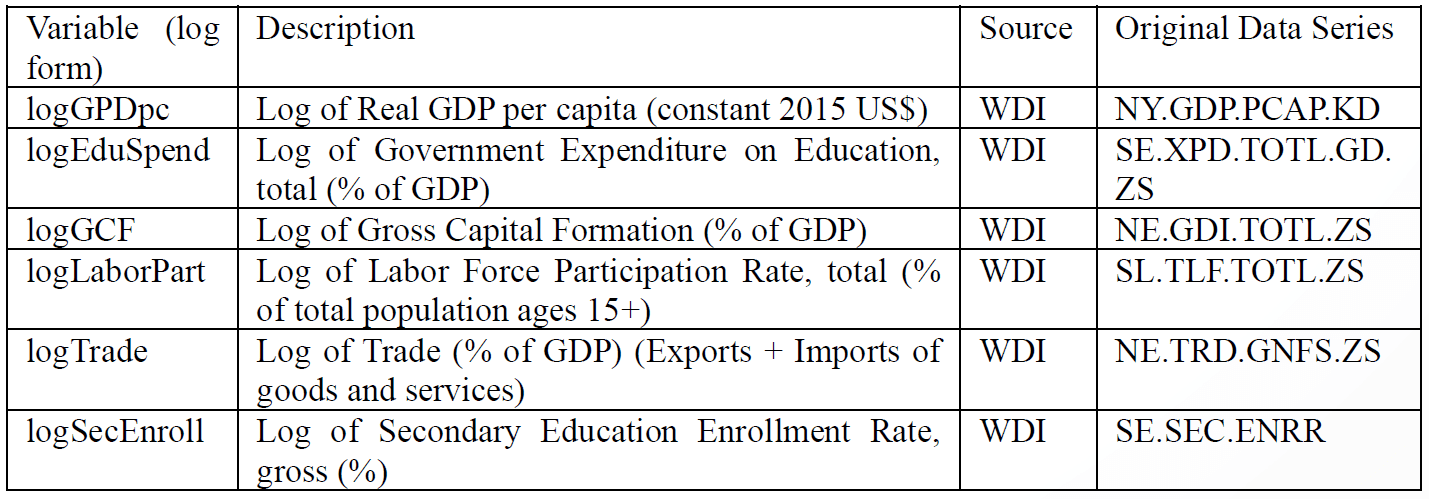
This study examines how education expenditure influences Bangladesh's economic growth in the long-run. It fills a policy research gap regarding human capital investment's effectiveness, but the study tests whether the chosen macroeconomic variables would be I(0) and I(1) to show long-run stable, cointegrating relationships. Unit root tests [Augmented Dickey-Fuller (ADF) test and KPSS] were conducted on time-series data from 1998-2024, showing a mixed order of integration, where variables are I(0) and I(1). Thus, Autoregressive Distributed Lag (ARDL) Bounds Testing for cointegration is appropriate. ARDL is an appropriate test for mixed orders of integration and smaller sample sizes. The null hypothesis of long-run cointegration is confirmed at the .05 level by the F-statistic value of 10.52 (greater than the critical bounds value). Furthermore, the elasticity derived from education expenditure is statistically significant across all models at almost 0.99, which means that when education expenditure increases by one percent, GDP per capita increases by one percent in the long-run. Furthermore, a statistically significant Error Correction Term (ECT) value of −0.048 confirms that the error term is sustainable, meaning the economy corrects for 4.8 percent of its disparity every year. Therefore, these results provide extensive empirical support for the long-run approach of increased education expenditure as a valid approach to Bangladesh's economic growth in the future. This increases the likelihood that policymakers may want to move forward with increased education efforts to both level up and increase quality and quantity for best results.
As the use of mobile courts in Bangladesh increases, many important issues arise regarding compliance with the constitutional principle of separation of powers, especially related to potential overlaps between the executive and judicial branches. This article examines how legal powers go together as well as how mobile courts operate effectively within the South Asian context, with a specific focus on Bangladesh. By using a doctrinal and analytical research methodology to examine the relevant constitutional provisions, statutes, case law, and the operational/functional structure of the mobile courts from a legal perspective. It further analyzes their impact on judicial independence, executive control, and the protection of citizens’ rights. Based on the research, mobile courts provide greater access to justice, and the ability to resolve disputes quickly, especially in rural areas of Bangladesh; however, operating mobile courts raises the possibility of consolidating executive authority and judicial authority, which will disrupt the balance of institutions within the government. In addition, the absence of meaningful regulation of the operation of mobile courts intensifies the concerns over due process and accountability. The contribution of this article will be to highlight the need for a stronger legal/institutional regulatory framework for mobile courts, in order to maintain the benefits, without violating the constitutional principle of separation of powers. Finally, this article proposes enhancing structural safeguards to promote judicial independence and so that the executive branch promotes democratic governance in Bangladesh.

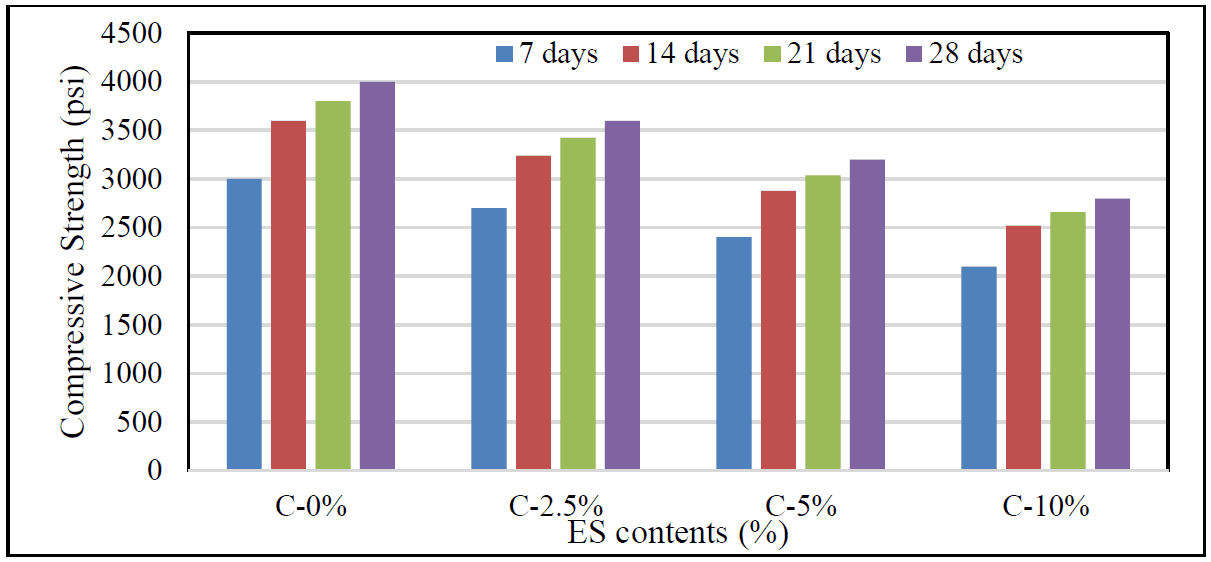
Concrete is now the most widely used construction material and its production has exceeded the number of all other building materials combined because of rapid infrastructural development. This study presents an investigation into the use of eggshell powder as a partial replacement of cement in concrete: an effort to positively impact the cost reduction and environmental issues within construction. In the analysis, eggshell powder (ES) is used as 2.5%, 5%, and 10% of alternative material to Ordinary Portland Cement (OPC) in a mixture of concrete and the compressive strength of the concrete at different curing periods of 7, 14, 21, and 28 days is examined. The findings indicated a reduction in compressive strength as the substitution level of eggshell powder increased and the 10% replacement mix had been clearly associated with a significant decrease in strength. However, lower admixture replacements (2.5% and 5%) yielded enough strength for low strength uses. The specific gravity of the concrete decreased with the use of eggshell powder. It can be used for lightweight applications, such as paving blocks and temporary structures. This study also explored the economic and environmental benefits in Bangladesh of using eggshell powder, showing that it could reduce construction costs by saving up to 1.156 billion taka in cement expenses, while also reducing the environmental impact by recycling 115,600 tons of eggshell waste per year. This paper shows the potential of eggshell powder as an eco-friendly and low-cost cement replacement to aid in resource sustainability and environmental protection from waste disposal, advocating sustainable construction.
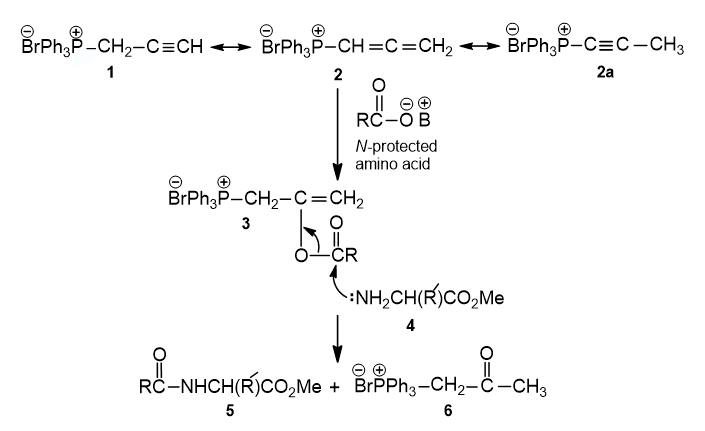
Efficient synthesis of amide and peptide bonds remains a central objective in organic and medicinal chemistry, particularly in natural product synthesis. There are many different types of conventional coupling reagents such as carbodiimides, uranium salts, and phosphonium-based activators which frequently generate stoichiometric waste, induce racemization, and require extensive purification. In this study, we report a rapid, metal-free, and operationally simple precursor (highly reactive allene intermediates) for the synthesis of substituted amides and dipeptides employing prop-2-ynyl-triphenylphosphonium bromide. In the presence of triethylamine, prop-2-ynyl-triphenylphosphonium bromide undergoes base-promoted isomerization to generate an allene species in situ, which reacts with N-protected amino acids to provide activated ester intermediates. Subsequent coupling with C-protected amino acid esters affords the corresponding amides and dipeptides through clean –CONH– bond formation, enabling efficient amino acid conjugation. The method was successfully applied to prepare a series of many different substituted dipeptides in a very effective way while isolated yields were up to 85% without chromatographic purification. The present synthesis protocol offers significant advantages such as operational simplicity, waste minimization, broad substrate scope, and so on, which lead a better efficiency to facilitate peptide coupling processes.