sourav-paul
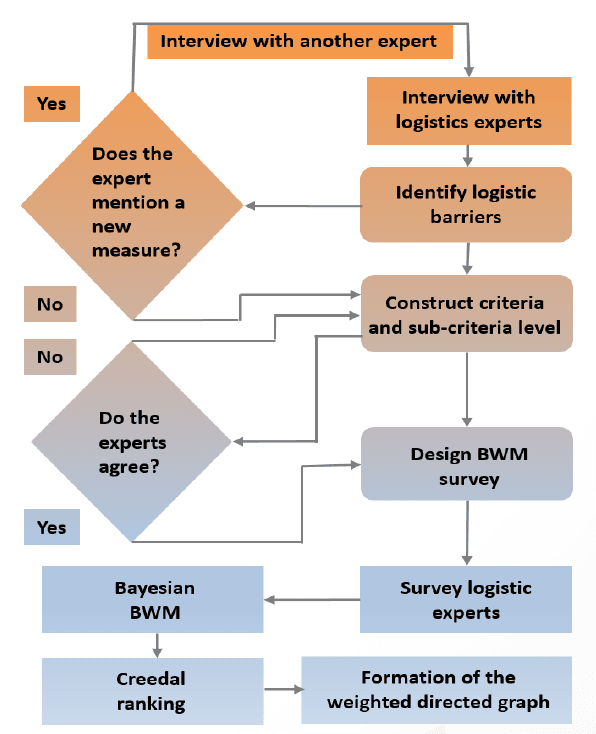
The concept of circular economy (CE) has emerged as a highly encouraging approach to achieve sustainable economic development for small and medium sized enterprises (SMEs). In recent years, the growing emphasis on circular economy, effective supply networks and strategic supply chain drivers has played a vital role in the development of sustainable SME systems. Modern manufacturing scenario (rapid, technology-driven transformation, Industry 5.0) and natural resources have shown huge challenges, particularly in the high cost of technology transformation, limitations of resources, skill manpower. The purpose of this study is to identify the barriers to sustainable manufacturing (SM) from SMEs in Bangladesh and rank them as per their priority. In this study, Bayesian Best-Worst Method (BWM) was applied to identify 12 major previously unexplored barriers, which were subsequently classified into four categories based on their shared characteristics. The results demonstrated several critical barriers within SME sector in Bangladesh, with the most significant being appropriate strategy plan (0.5374), inadequate transportations and infrastructure (0.3886), lack of skilled workforce (0.3146), lack of environmental concerns (0.2620), and the lack of government regulations (0.2539), respectively. Importantly, this study identified significant barriers that can be applied to improve the quality and sustainability of SMEs by reducing risks in the recommended areas.